CEREC same-day crowns
A crown in one visit. No impression tray, no temporary.
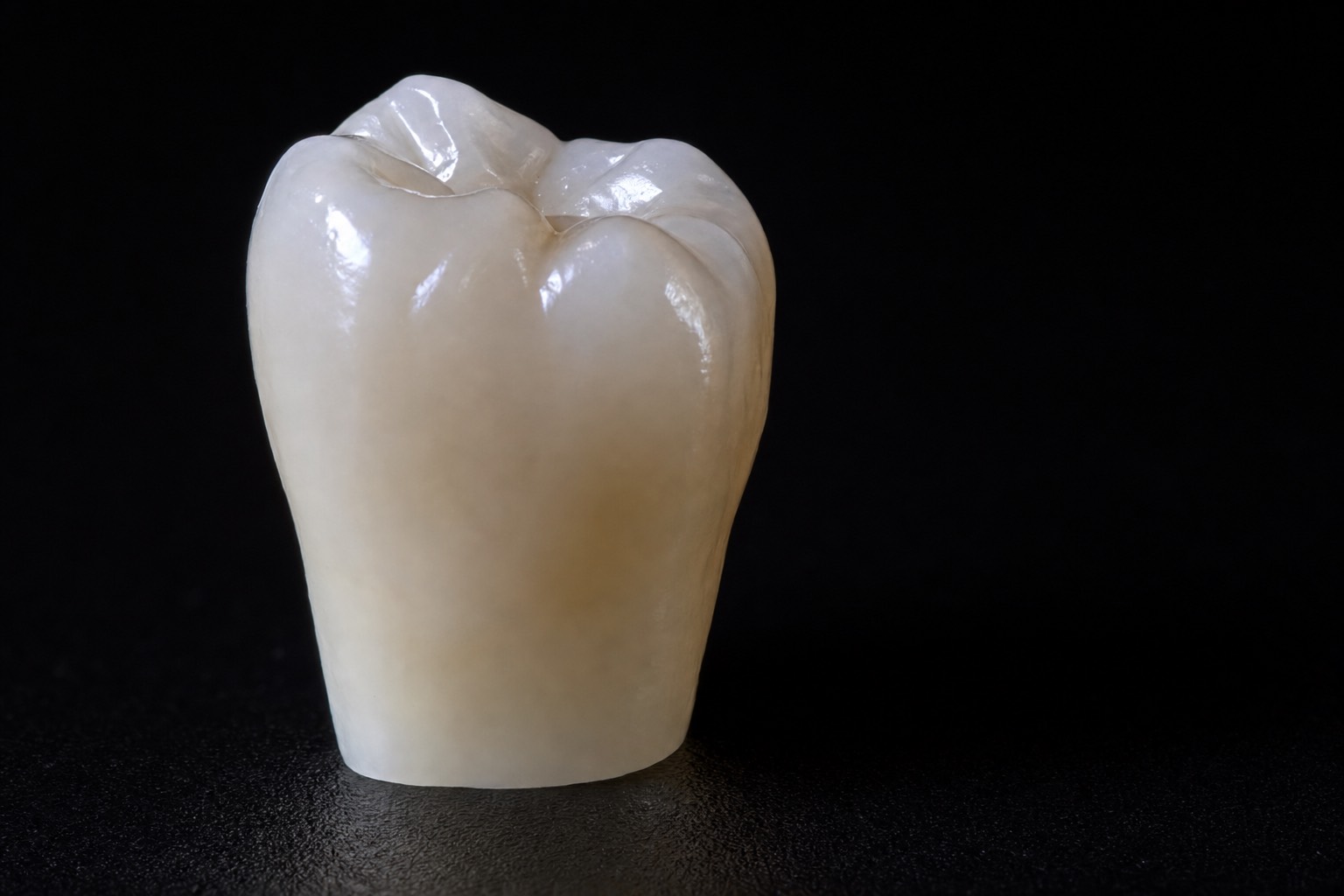
A conventional crown takes two appointments about two weeks apart, with a temporary cemented in between that you have to eat around. This office uses a CEREC chairside system to scan, design, mill and bond the permanent crown in a single appointment.
The technology
What CEREC actually is
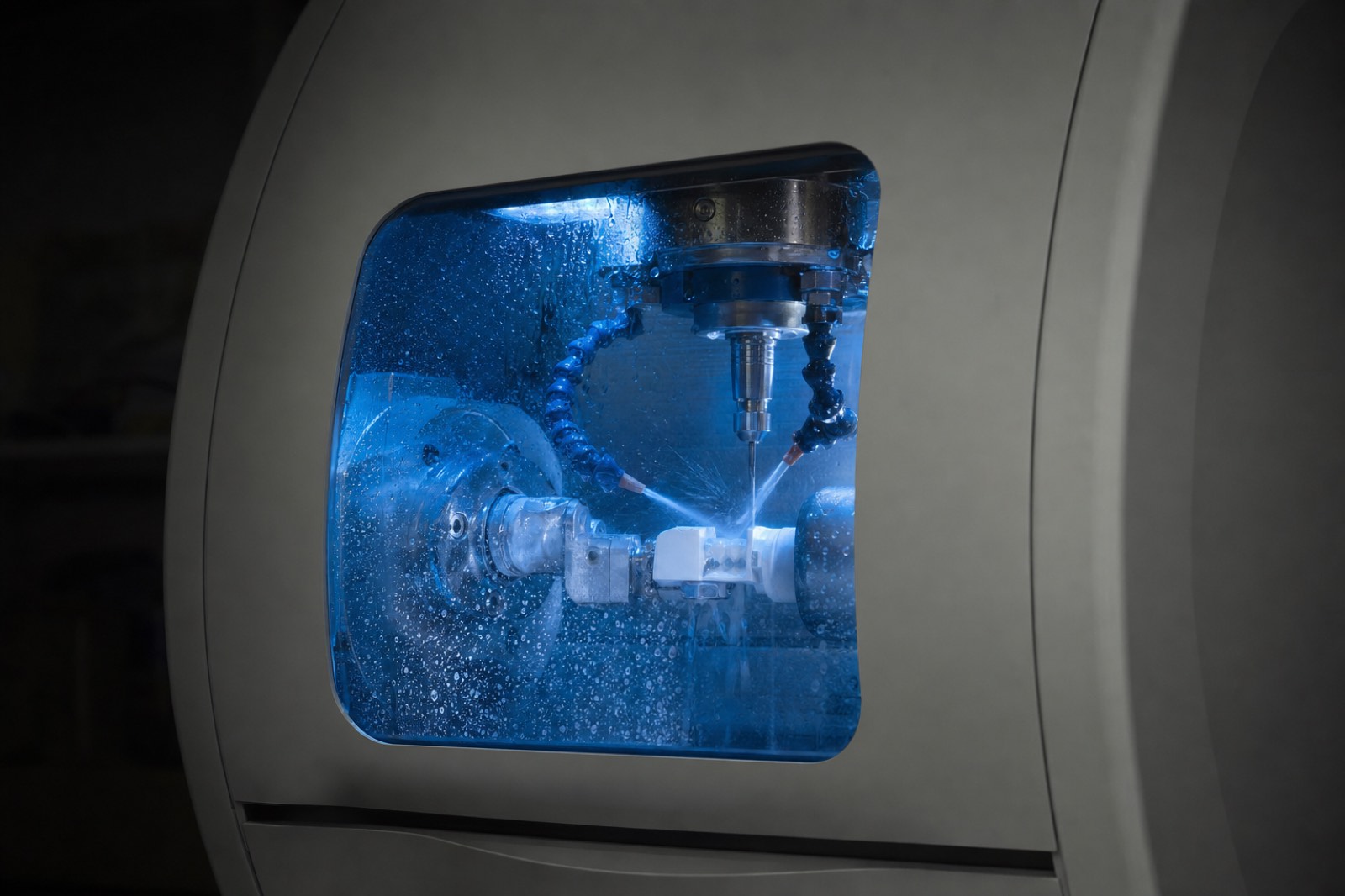
CEREC stands for Chairside Economical Restoration of Esthetic Ceramics. In plain terms it is a CAD/CAM system — a scanner, design software and a milling unit — that moves the dental laboratory into the office.
The technology has been in clinical use since the mid-1980s and is now in tens of thousands of practices worldwide. It is not experimental, and the restorations it produces are cut from the same industrially manufactured ceramic blocks a commercial laboratory works from.
What it changes is the logistics: no courier to a lab, no two-week wait, no temporary in between, and no impression tray.
Step by step
How a single-visit crown is made
-
The tooth is prepared
Exactly as for any crown. The decayed or damaged structure is removed and the tooth is shaped to receive the restoration. Local anaesthetic, and nitrous oxide if you want it.
-
A 3D digital scan, not a putty mould
An intraoral camera is passed over the teeth and builds an accurate three-dimensional model on screen. Modern scanners capture a full arch in well under a minute by stitching together tens of thousands of images per second. There is no tray, no putty and nothing to gag on — which is the part most patients remember and the reason a lot of people stop avoiding crowns.
-
The restoration is designed on screen (CAD)
The software proposes a crown shaped to your bite and the teeth either side of it, and Dr. Bowman adjusts the contours, contact points and occlusion before anything is cut. You can watch this happen; most patients find it the interesting part.
-
It is milled from a solid block (CAM)
The milling unit carves the restoration out of a single block of ceramic or zirconia. Current-generation mills produce a crown in roughly five to fifteen minutes depending on the material. This is the part you wait through, and it is shorter than most people expect.
-
Stained, glazed and bonded
The restoration is characterised and shade-matched to the neighbouring teeth, fired or polished depending on the material, checked against your bite, and permanently bonded. You leave with the finished tooth.
Why it is worth asking about
- One appointment instead of two. For anyone who takes time off work to see a dentist, this is the whole argument.
- No temporary crown. Temporaries come loose, they are sensitive, and they are the single most common reason for an unplanned return visit.
- No impression tray. A digital scan is the difference between a two-minute discomfort and none at all, and it is meaningfully more accurate than putty that can distort on the way to a laboratory.
- A better fit. The margin is designed on a magnified screen image rather than judged from a physical model, and a tighter margin is what keeps decay from starting underneath a crown years later.
- One continuous bond. The tooth is prepared and the final restoration is bonded in the same session, with no two-week window where a temporary is leaking.
What it can make
- Crowns — the most common use, front or back teeth
- Inlays and onlays — partial-coverage restorations that keep more of the natural tooth than a full crown
- Veneers — for front teeth, where the shade match matters most
- Crowns over implants — the visible tooth that sits on the implant
Larger bridges, full-arch work and anything needing a laboratory technician's hand still go out to a lab. Dr. Bowman will tell you which category you are in at the exam rather than after you have committed.
“I had two permanent porcelain crowns made there today in only a couple of hours with NO impressions or temporary crowns. I was a dental assistant in the past and know excellent dentistry when I see it.”
Deena Blair · Google review
Common questions
CEREC same-day crowns
What is a CEREC crown?
CEREC is a chairside CAD/CAM system that lets a dentist scan, design, mill and bond a ceramic restoration in one appointment. It replaces the impression tray with a digital scan, and the outside laboratory with a milling unit in the office.
How long does it take?
Most are finished in a single morning, usually two to three hours from start to cemented crown. The milling itself takes minutes — the preparation, design and fitting take the rest. You are welcome to bring something to read.
Is it as strong as a lab crown?
Yes. It is milled from a solid, industrially produced block of ceramic or zirconia — the same material class a laboratory works from — and there is no layering or firing stage that can introduce a weak point.
Will I need a temporary?
No. That is the point. The permanent restoration is bonded the same day, so there is nothing to come loose and no second appointment to book.
Can every tooth have one?
Most can. A tooth that needs a post and core first, or one where the gum has to settle before an accurate margin is possible, may be better done conventionally. Dr. Bowman will tell you which applies at the exam.
Does insurance cover it?
Most PPO plans treat a same-day crown exactly as they treat any other crown. The office checks your specific plan and gives you the figure in writing before anything starts. How billing works here.